
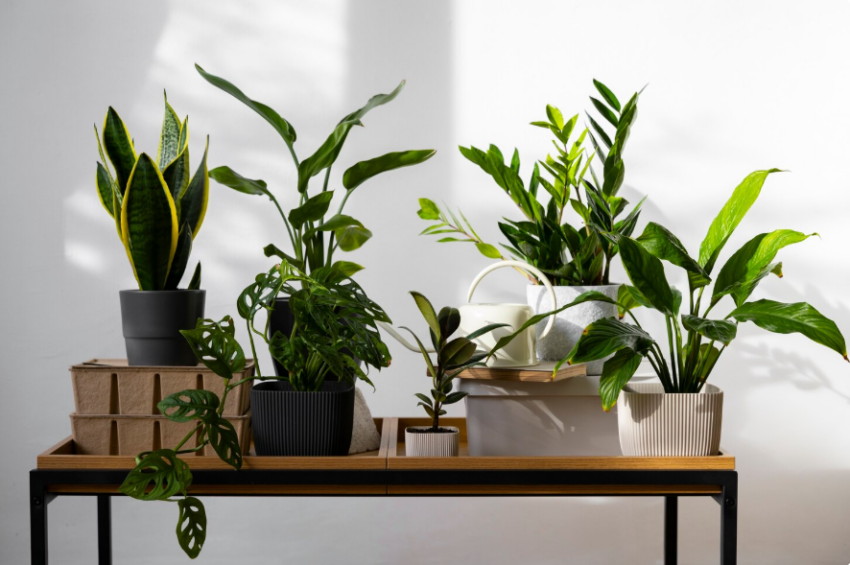
Bringing home a new plant feels exciting. It looks fresh, healthy, and ready to brighten up a room. Then, a few weeks later, the leaves start turning yellow, the soil seems confusing, and the plant suddenly looks like it wants to file a complaint. Don’t worry. Most indoor plants are tougher than they seem.
They simply need the right environment and a little regular attention. Small changes in your routine can make a surprising difference throughout the year.
Why Plants Struggle
Many indoor plants struggle because their growing conditions are different from what they would have outdoors. A plant sitting in a dark corner may not receive enough sunlight, even if the room feels bright to you. During winter, shorter days also mean less natural light for healthy growth.
Plants can also become unhappy from inconsistent watering or being placed near heaters and air conditioners. Some people water every day, while others forget until the leaves start drooping dramatically. Finding a steady routine usually works much better than guessing each week.
Better Growing Spaces
Creating a good home for your plants does not have to be complicated. Start by placing them where they receive the amount of light they need. Some enjoy bright windows, while others are perfectly happy in indirect light. Reading the care label can save a lot of trial and error.
Keep the room at a comfortable temperature and avoid sudden changes whenever possible. Good airflow also helps plants stay healthier. Every now and then, gently wipe dust from the leaves. Clean leaves absorb light more effectively, and your plants will look brighter too.
Indoor Grow Lamps
Sometimes natural sunlight simply is not enough. Apartments, offices, basements, or homes with few windows can make it difficult for plants to receive consistent light. During the darker winter months, this challenge becomes even more noticeable.
In these situations, indoor grow lamps can provide extra light that helps support healthy growth. They are especially useful for plants placed far from windows or in rooms where sunlight rarely reaches. They work alongside proper watering and placement to create a more balanced growing environment throughout the year.
Healthy Plant Habits
Healthy plants often come from small, regular habits instead of complicated routines. Before watering, check whether the soil feels dry rather than following the calendar. Many plants prefer waiting a little longer instead of sitting in soggy soil.
Rotate your pots every couple of weeks so all sides receive light evenly. Trim away dead or damaged leaves when you notice them, and keep an eye out for unusual spots or tiny insects. Catching small problems early is much easier than fixing bigger ones later.
Growing With Confidence
Indoor gardening is not about having a perfectly decorated house filled with flawless plants. Every plant owner has made mistakes, including giving a cactus too much water or forgetting about a fern during vacation. Those little mishaps are part of learning.
The best approach is to observe your plants, and over time, you’ll recognize what each plant likes and dislikes. With steady care and a little curiosity, even beginners can build a healthy indoor garden that grows stronger season after season.