
Our roof is usually the last thing we think about until something goes wrong. But knowing the ins and outs of residential roofing problems can save you a lot of money (and a lot of headaches, too).
Today, we’ll break down what residential roofing actually is, what a contractor repairs/repalces, and how to choose the right person.
Let’s get started.
What Is Residential Roofing?
Residential roofing is basically the process of installing or replacing a roof on your home. It is designed to handle harsh weather conditions and rain, wind, snow, and heat easily. It also keeps your home fully comfortable inside.
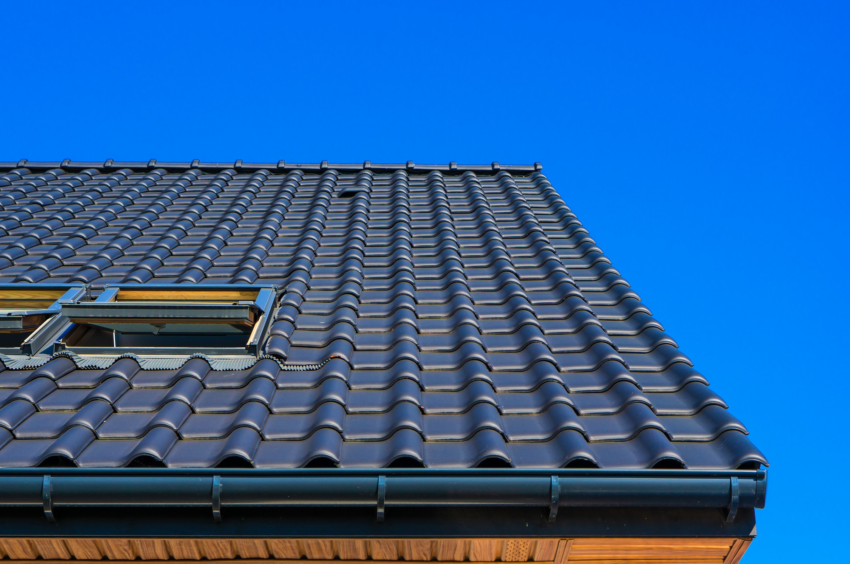
Now, different materials are used in those roofs, from asphalt shingles and clay tiles to metal and wood beams. Which material you should choose depends on where you live and how much you can spend. In the US, asphalt shingles are commonly used as they’re affordable and simple to install. Metal roofs have also gained ground in recent years as well due to their durability.
Parts of Residential Roofing
First, the outer layer of the roof is finished with special starter strips and ridge cap shingles. We then have a leak barrier. It’s a water-resistant synthetic sheet that is installed beneath the outer material to block rain.
Next, we have flashings and dip edges. These are metal pieces that seal sensitive joints, such as valleys or chimneys. Intake and exhaust vents that regulate attic temperature are also part of the roof.
Generally, a contractor can do a range of tasks, including stripping away the old roofing down to the deck. They can also perform an in-depth deck inspection and haul away the debris if needed.
Choosing the Right Kind of Roof for Your Home
You first need to analyze the climate of your area. You also need to evaluate the design, aesthetics, energy efficiency, and your overall budget.
For example, tile roofs are durable and work best in commercial settings due to the added safety they offer. Similarly, metal roofs are widely used in rainy areas as they don’t absorb water.
In terms of design and aesthetics, slate and standing-seam metal roofs are widely used for their unmatched elegance. Tile roofs are energy-efficient as they don’t let the heat pass through your space easily.
Things to Check Before Choosing a Contractor
You can’t just trust any contractor for the roofing job. You should work only with a licensed, experienced, and reliable expert who knows the ins and outs of residential roofing. They must also have proven experience solving the exact kind of problem you’re facing.
Check their online presence and read what people are saying about them. Google reviews will give you a solid idea of their reputation and work ethic. Also see if they have workers’ compensation and liability insurance in place, as it will protect you in case an injury occurs during the work.
Final Thoughts
It’s important to be proactive and resolve roofing issues as soon as you see them. Delaying maintenance can prove costly in many ways.